Flexible Cable vs Solid Cable
When it comes to electrical wiring, one of the most common — and most important — questions buyers, electricians, and project managers ask is: Flexible cable vs solid cable — which one is better? The truth is, both cable types are essential in modern electrical systems, but they are designed for very different purposes. Choosing the wrong option can lead to installation difficulties, reduced performance, safety risks, or unnecessary cost. Whether you are wiring a residential building, installing industrial machinery, setting up renewable energy systems, or sourcing cable for wholesale distribution, understanding the difference between flexible and solid cable is critical.
In this complete guide, we will explore the real-world differences between flexible cable and solid cable, their structure, applications, durability, pricing, and how to make the smartest purchasing decision based on your specific needs.
What Is Solid Cable?
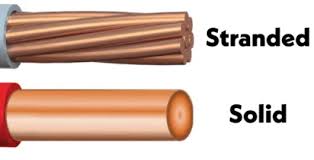
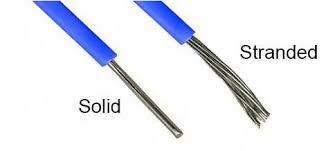
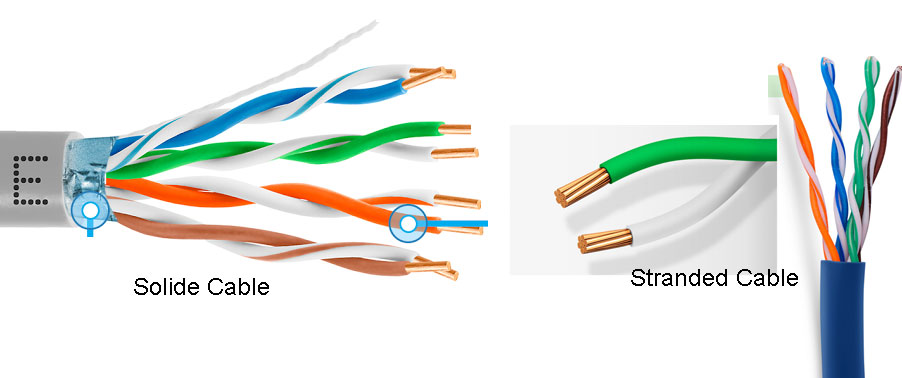
Solid cable, also known as solid-core wire, is made from a single, continuous conductor of copper or aluminum. Instead of multiple strands twisted together, solid cable contains one thick metal core inside the insulation.
Solid cables are widely used in permanent electrical installations where the wiring is fixed in place and does not require repeated bending or movement. Because of its rigid structure, solid cable is especially common in residential and commercial building wiring.
Solid cable is typically used for:
- Fixed wall wiring
- Electrical outlets and switches
- Lighting circuits
- Distribution panels
- Long-term stationary installations
Its main advantage is that it holds its shape well and provides reliable conductivity over long distances.
What Is Flexible Cable?
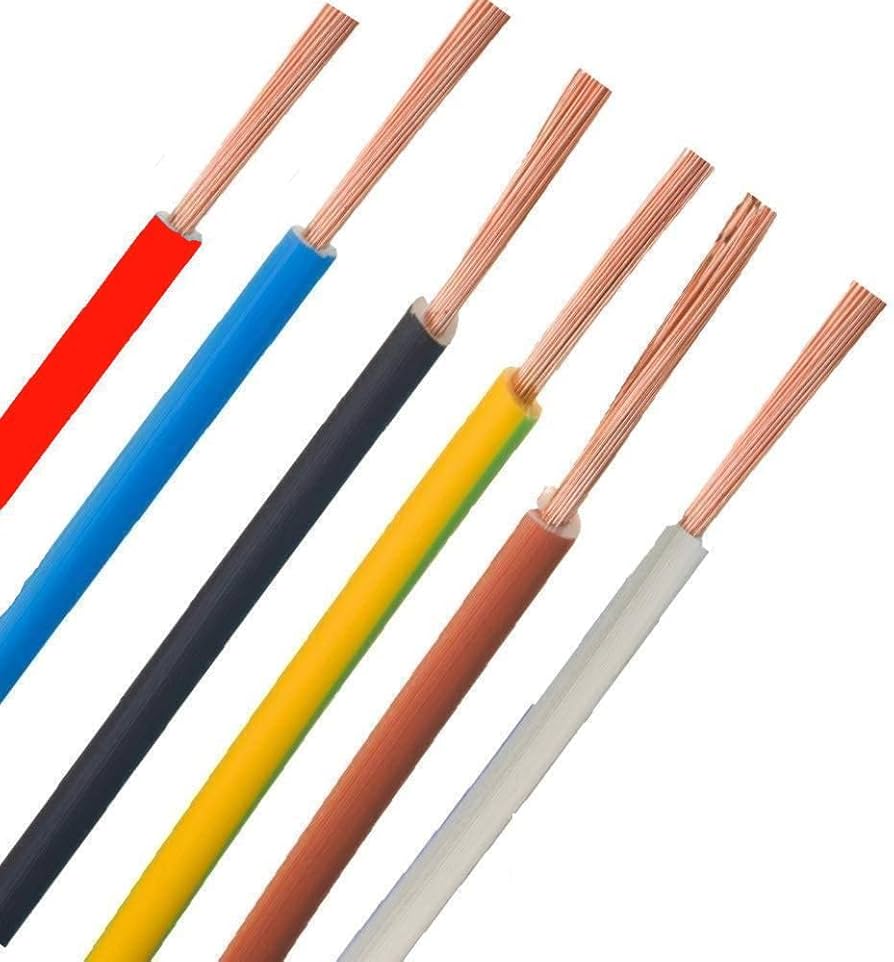
Flexible cable, often called stranded cable, is made from multiple thin strands of copper twisted together inside the insulation. This design makes the cable significantly more flexible, allowing it to bend and move without breaking.
Flexible cable is used in applications where wiring must handle vibration, movement, bending, or frequent repositioning. It is commonly found in industrial machinery, portable equipment, robotics, and appliance connections.
Flexible cable is ideal for:
- Motors and machinery wiring
- Portable electrical devices
- Extension cords
- Renewable energy systems
- Automotive and marine wiring
- Control panels with vibration
Its ability to withstand motion makes it essential in dynamic environments.
Flexible Cable vs Solid Cable: The Core Structural Difference
The biggest difference between flexible and solid cable lies in the conductor design:
- Solid cable = one single conductor
- Flexible cable = multiple stranded conductors
This structural variation affects performance, installation, durability, and cost. Solid cable is more rigid and stable, while flexible cable is more adaptable and resistant to movement-related damage.
Which One Is Easier to Install?
Installation depends heavily on the environment.
Solid cable is easier to install in fixed building wiring because it stays in position and fits securely into terminals. Electricians often prefer solid wire for wall installations because it does not shift or twist inside conduits.
Flexible cable, however, is easier to route through tight spaces or complex machinery systems because it bends smoothly. In control panels or equipment wiring, flexible cable is usually the better choice.
In general:
- Solid cable is easier for fixed wiring
- Flexible cable is easier for moving or compact installations
Durability and Mechanical Resistance
When comparing flexible cable vs solid cable, durability depends on usage conditions.
Solid cable performs extremely well in stationary installations. Once installed, it can last for decades without issues. However, repeated bending can cause solid wire to crack or break over time.
Flexible cable is designed specifically to handle movement. Its multiple strands allow it to flex repeatedly without conductor failure, making it far more durable in dynamic environments.
So the durability rule is simple:
- Solid cable is durable when it stays still
- Flexible cable is durable when movement is involved
Electrical Performance and Conductivity
Both cable types offer excellent conductivity, especially when made from high-purity copper. However, solid cable generally has slightly lower resistance because the conductor is continuous.
Flexible cable may have marginally higher resistance due to air gaps between strands, but in most real-world applications, the difference is minimal and not noticeable.
The choice is rarely about conductivity alone — it is mostly about application and mechanical needs.
Cost Comparison: Flexible Cable vs Solid Cable
Solid cable is typically cheaper than flexible cable of the same size because it uses simpler manufacturing and less processing.
Flexible cable requires additional stranding, twisting, and sometimes higher-grade insulation to support movement, which increases production cost.
In bulk purchasing:
- Solid cable is more cost-effective for building wiring
- Flexible cable costs more but offers greater versatility
If budget is a priority and the installation is fixed, solid cable is usually the economical option.
Best Applications for Solid Cable
Solid cable is best suited for permanent wiring systems where movement is not expected. Common examples include:
- Residential electrical wiring
- Commercial buildings
- Underground conduit installations
- Fixed power distribution circuits
- Long-distance electrical runs
Because it holds shape and connects easily in terminals, it remains the standard for building infrastructure.
Best Applications for Flexible Cable
Flexible cable is essential in environments where bending, vibration, or motion is unavoidable. Typical applications include:
- Industrial machines and motors
- Portable power tools
- Extension cables
- Robotics and automation systems
- Solar panel wiring connections
- Vehicles and marine electrical systems
Whenever movement is present, flexible cable provides safer and longer-lasting performance.
Real-World Scenario: Choosing the Wrong Cable Type
Imagine an industrial factory installing wiring for a vibrating motor system. If solid cable is used, the constant vibration may cause the conductor to fracture over time, leading to unexpected downtime and repair costs.
Now imagine the same system wired with flexible stranded cable. The cable absorbs vibration naturally, remains intact, and provides stable long-term operation.
This is why selecting the correct cable type is not just technical — it is a practical safety and maintenance decision.
Safety Considerations and Compliance
Both flexible and solid cables must meet electrical safety standards, but flexible cable often requires specific termination methods, such as ferrules, to prevent strand separation.
Solid wire is easier to clamp into terminals, while stranded wire needs proper connectors to ensure safe electrical contact.
Always ensure your cable complies with:
- IEC standards
- UL certification
- Local electrical codes
- Proper voltage and insulation ratings
Safety depends not only on cable type but also on correct installation.
People Also Ask (Common Questions)
Which is better: flexible cable or solid cable?
Neither is universally better. Solid cable is best for fixed installations, while flexible cable is better for movement and vibration environments.
Can flexible cable be used for house wiring?
Yes, but solid cable is more commonly used because it is cheaper and easier to install in permanent building systems.
Why is stranded wire more expensive?
Flexible stranded wire requires more complex manufacturing and offers better movement resistance, increasing its cost.
Is solid wire safer than flexible wire?
Both are safe when installed correctly. Flexible wire requires proper termination to prevent loose strands.
What cable is best for industrial machinery?
Flexible cable is strongly recommended for machinery due to vibration and movement.
How to Choose the Right Cable for Your Project
Before deciding between flexible cable vs solid cable, ask these key questions:
- Will the cable remain fixed or move regularly?
- Is vibration or bending expected?
- Is the installation residential, commercial, or industrial?
- What is your budget and cable quantity?
- Do you need easier routing or stronger rigidity?
By matching the cable type to the environment, you ensure better performance, safety, and cost efficiency.
Final Thoughts: Flexible Cable vs Solid Cable Explained Clearly
The debate of flexible cable vs solid cable is not about which one is superior overall — it is about choosing the correct tool for the job. Solid cable is the reliable standard for permanent building wiring, offering affordability and stability. Flexible cable is the best solution for dynamic environments where movement, vibration, or bending is unavoidable.
Understanding these differences helps you make smarter purchasing decisions, avoid installation problems, and ensure long-term electrical safety.
If you are sourcing cable for a project or wholesale supply, selecting the right type based on application is the key to success.
FAQ
- What is the main difference between flexible and solid cable?
Solid cable has one conductor, while flexible cable contains multiple stranded conductors. - Which cable is better for underground installation?
Solid cable is often preferred for fixed underground conduit installations, but armored flexible options also exist. - Can solid cable be used in machinery wiring?
It is not recommended because vibration can cause solid conductors to break. - Does flexible cable carry less current than solid cable?
Current capacity is mainly determined by cross-sectional size, not flexibility, though installation conditions matter. - Which cable should I buy for long-term home wiring?
Solid cable is typically the best choice for permanent residential wiring systems.