Introduction: Why Choosing the Right Building Stone Matters More Than You Think
Choosing the right building stone is not just a technical step in construction — it is a long-term investment that affects durability, appearance, maintenance costs, and even the resale value of a property.
Buyers such as contractors, architects, developers, and homeowners often feel confused when comparing stone options because each type has unique strengths, limitations, and best-use applications.
Understanding the different types of building stones available helps you make informed decisions that balance beauty, performance, and budget. This guide will provide a practical and buyer-focused overview so you can avoid costly mistakes and choose materials that last for decades.
>>>> bic Stone
What Are Building Stones and Why Are They Used in Construction?
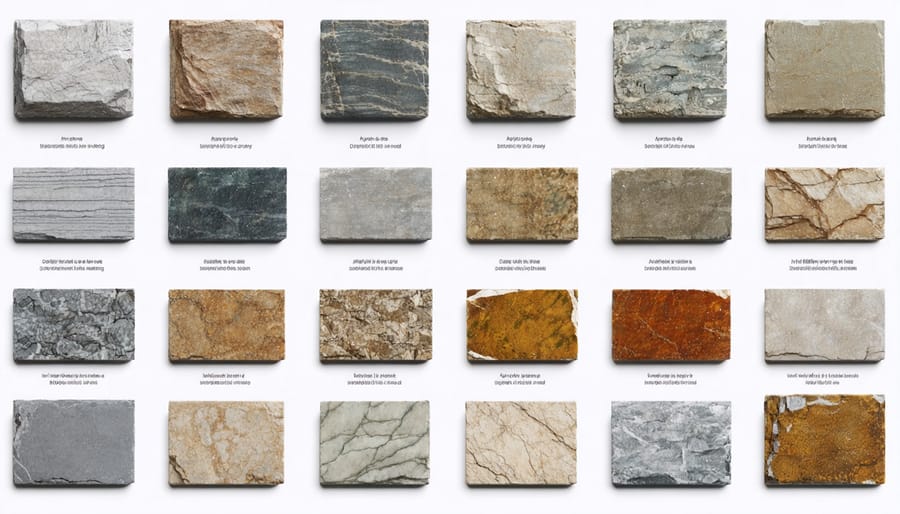
Building stones are natural materials extracted from quarries and processed for construction, architecture, and design.
They have been used for centuries because of their:
-
Structural strength
-
Resistance to environmental conditions
-
Timeless natural appearance
Unlike artificial materials, natural stones offer unique textures, patterns, and colors that cannot be perfectly replicated.
Building stones are commonly used in:
-
Load-bearing structures
-
Exterior facades
-
Flooring and paving
-
Landscaping and decorative design
Their longevity and proven durability make them one of the most trusted construction materials worldwide.
Main Classification of Building Stones
Building stones are generally classified based on their geological formation. This classification influences their physical properties and determines where they perform best.
The three main categories are:
-
Igneous stones
-
Sedimentary stones
-
Metamorphic stones
Understanding these groups helps buyers quickly narrow down the right choice.
Igneous Stones: Strength and Durability from Volcanic Origins
Igneous stones are formed when molten magma cools and solidifies either beneath the Earth’s surface or after volcanic eruptions.
They are known for:
-
Exceptional hardness
-
High compressive strength
-
Strong resistance to weathering
These stones are ideal for heavy-duty construction.
Granite: The Most Popular Building Stone Worldwide
Granite is one of the most widely used building stones because of its outstanding durability and visual appeal.
It is composed mainly of quartz, feldspar, and mica, giving it a granular texture and a wide variety of colors such as gray, black, pink, and red.
Granite is highly resistant to:
-
Heat
-
Moisture
-
Abrasion
It is commonly used for:
-
Structural elements
-
Flooring
-
Countertops
-
Cladding
-
Monuments
For buyers, granite provides long-term value with minimal maintenance, especially in high-traffic or outdoor environments.
Basalt: A Dense Stone for Structural Stability
Basalt is a fine-grained igneous rock formed from rapidly cooled lava.
It is extremely dense and strong, making it ideal for:
-
Road construction
-
Railway ballast
-
Foundations
-
Heavy masonry projects
Although basalt is usually dark and less decorative, its durability makes it a top choice when performance is more important than aesthetics.
Sedimentary Stones: Versatility and Ease of Use
Sedimentary stones are formed through the accumulation and compression of mineral and organic particles over time.
These stones are generally easier to quarry, cut, and shape, making them popular for both structural and decorative applications.
Limestone: A Classic Choice for Architecture
Limestone is one of the oldest stones used in construction and architecture.
It is mainly composed of calcium carbonate and comes in soft neutral tones such as beige, cream, and gray.
Limestone is widely used for:
-
Walls
-
Facades
-
Flooring
-
Decorative architectural elements
Buyers appreciate limestone for its affordability and elegant appearance, but it requires sealing and maintenance because it can be sensitive to moisture and acidic environments.
Sandstone: Natural Texture and Warm Aesthetics
Sandstone is formed from compacted sand particles and is known for its warm and earthy color palette.
Common shades include:
-
Brown
-
Red
-
Yellow
-
Gray
Sandstone is often used for:
-
Exterior walls
-
Paving
-
Garden paths
-
Landscaping features
It offers good slip resistance and a natural outdoor look, but buyers should consider its porosity and apply protective treatments for long-term durability.
Metamorphic Stones: Enhanced Strength and Refined Appearance
Metamorphic stones are created when existing rocks transform under intense heat and pressure.
This process improves their:
-
Density
-
Strength
-
Visual refinement
They are often chosen for premium architectural and design projects.
Marble: Timeless Elegance for Luxury Projects
Marble is derived from limestone and is prized for its smooth surface, natural veining, and luxurious appearance.
It is commonly used in:
-
Flooring
-
Wall cladding
-
Staircases
-
Bathrooms
-
Decorative accents
Marble adds sophistication to any space, but buyers should note that it requires regular sealing and maintenance to prevent staining.
Slate: Natural Durability with a Modern Look
Slate is a fine-grained metamorphic stone known for its layered structure and slip resistance.
It is widely used for:
-
Roofing
-
Flooring
-
Wall cladding
-
Outdoor paving
Slate performs exceptionally well in environments with moisture and temperature changes, making it ideal for both indoor and outdoor use.
For buyers seeking durability with a modern natural aesthetic, slate offers an excellent balance.
How to Choose the Right Type of Building Stone for Your Project
Selecting the best building stone depends on several important factors:
-
Application area: structural support, flooring, facades, or decoration
-
Environmental exposure: moisture, temperature changes, or chemicals
-
Aesthetic preferences: colors, textures, and patterns
-
Maintenance needs: sealing requirements and long-term care
-
Budget constraints: upfront cost vs durability over time
Making the right choice ensures both performance and satisfaction.
Common Questions Buyers Ask About Building Stones
Which building stone is the strongest?
Granite and basalt are among the strongest building stones due to their high compressive strength and resistance to wear.
Which stone is best for exterior walls?
Granite, sandstone, and limestone are common choices. The best option depends on climate, design goals, and maintenance expectations.
Are natural stones better than artificial stones?
Natural stones offer authentic beauty, proven durability, and long-term value. Artificial stones may be cheaper but often lack the lifespan and uniqueness of natural materials.
What is the most cost-effective building stone?
Limestone and sandstone are generally more affordable compared to granite and marble.
How long do building stones last?
With proper installation and care, natural building stones can last for decades or even centuries.
Real-World Scenario: Choosing Stone for a Residential Project
Imagine a homeowner building a modern villa with a natural exterior finish.
They may choose:
-
Sandstone for exterior walls because of its warm appearance
-
Granite for high-traffic flooring areas
-
Marble for luxury interior accents
This combination balances durability, aesthetics, and cost effectively.
Advantages of Using Natural Building Stones
Natural stones offer many long-term benefits, including:
-
Exceptional durability
-
Unique natural beauty
-
High structural strength
-
Increased property value
-
Environmental sustainability when responsibly sourced
Practical Tips for Buying Building Stones
Before purchasing, buyers should:
-
Inspect stone samples in natural light
-
Request technical specifications and test reports
-
Work with reputable suppliers and quarries
-
Consider professional installation
-
Plan maintenance requirements in advance
Conclusion: Making a Smart Investment with the Right Building Stone
Understanding the different types of building stones allows buyers to make confident decisions that align with both functional and aesthetic goals.
Whether you prioritize strength, elegance, affordability, or longevity, there is a natural stone that fits your needs.
By carefully evaluating stone types, applications, and long-term performance, you ensure your construction project delivers lasting value and beauty for generations.
Frequently Asked Questions (FAQ)
What are the main types of building stones?
Building stones are mainly classified into igneous, sedimentary, and metamorphic stones, each with unique properties.
Which building stone requires the least maintenance?
Granite and basalt generally require minimal maintenance compared to softer stones like marble or limestone.
Can building stones be used in modern architecture?
Yes, natural stones are widely used in modern architecture for both structural and decorative purposes.
How do I ensure stone quality before purchase?
Check for uniform texture, absence of cracks, technical test reports, and supplier credibility.
Is natural stone a good long-term investment?
Yes, natural stone offers durability, timeless beauty, and strong long-term value.